.png)

Chlorine Shock vs Non-Chlorine Shock: What’s the Difference and When Should You Use Them?

If you own a hot tub, you’ve probably heard the term “shock treatment” countless times, but many spa owners are unsure about the difference between chlorine shock and non-chlorine shock, when to use them, and which one is best for chlorine or bromine systems.
Understanding spa shock treatments is essential for keeping your water clean, safe, and crystal clear. In this guide, we’ll explain exactly what each type does, why it matters, and how long you should wait before enjoying your hot tub again.

What Is Spa Shock?
“Shocking” a hot tub simply means adding a high dose of oxidiser to the water. This process removes contaminants such as:
Sweat
Body oils
Cosmetics
Dead skin cells
Organic waste
Chloramines or bromamines
Over time, these contaminants build up and reduce the effectiveness of your sanitiser. Shocking restores water quality and helps your sanitiser work properly again.
There are two main types of shock treatment:
Chlorine shock
Non-chlorine shock
Although both clean the water, they work differently and are used in different situations.
What Is Chlorine Shock?
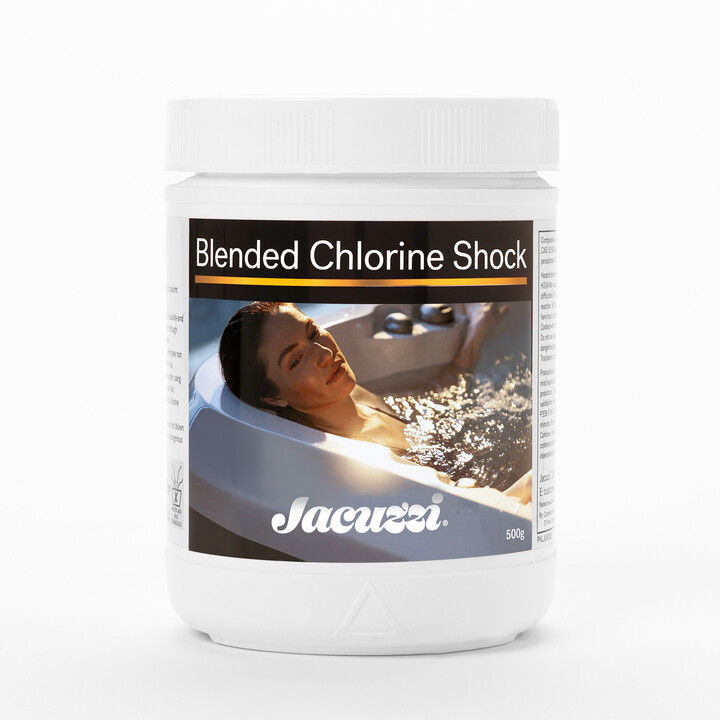
Chlorine Shock is a strong sanitising oxidiser, usually made from calcium hypochlorite or dichlor. It raises chlorine levels rapidly to destroy bacteria, algae, and organic contaminants.
Why Use Chlorine Shock?
Chlorine shock is highly effective because it both:
Sanitises the water
Oxidises waste contaminants
It’s ideal when:
Water has gone cloudy
The spa has a strong chlorine smell
The tub has had heavy use
You are opening the spa after downtime
You suspect bacteria contamination
A common misconception is that a strong chlorine smell means there is too much chlorine. In reality, it usually means there are chloramines present — used-up chlorine that needs to be broken down by shocking the water.
What Is Non-Chlorine Shock?
Non-Chlorine Shock is typically made from potassium monopersulfate (MPS). Unlike chlorine shock, it does not sanitise the water directly. Instead, it works purely as an oxidiser, breaking down waste and helping your existing sanitiser work more efficiently.
Why Use Non-Chlorine Shock?
Non-chlorine shock is popular because it:
Works quickly
Produces little to no chlorine smell
Allows faster re-entry into the spa
Helps maintain water clarity
Boosts bromine systems especially well
It’s perfect for routine maintenance and regular weekly shocking.

Which Shock Should You Use in a Chlorine Hot Tub?
If your spa uses chlorine as the main sanitiser, both types of shock can be useful.
Use Chlorine Shock When:
Water is green or cloudy
Sanitiser levels have crashed
The spa hasn’t been used for a while
After very heavy bather loads
You need a deep sanitising treatment
Use Non-Chlorine Shock When:
Performing weekly maintenance
You want faster bathing times
Water is slightly dull but not contaminated
You want to boost sanitiser efficiency without raising chlorine too high
Many spa owners use non-chlorine shock weekly and chlorine shock occasionally for deep cleaning.
Which Shock Should You Use in a Bromine Hot Tub?
Bromine systems work differently from chlorine systems, and this changes how shock treatments behave.
Best Option for Bromine Spas
Non-chlorine shock is generally the preferred choice for bromine hot tubs because it reactivates used bromine back into active sanitiser.
This makes bromine systems extremely efficient when paired with non-chlorine shock, but can also be used in a Chlorine hot tub.
Use Chlorine Shock in Bromine Tubs When:
Water problems are severe
The spa has been neglected
You need an aggressive sanitising treatment
Interestingly, adding chlorine shock to a bromine spa still works because chlorine activates bromide ions into bromine sanitiser.

How Often Should You Shock Your Hot Tub?
As a general rule:
Light use: once per week
Heavy use: after busy weekends or parties
Commercial use: more frequently depending on bather load
You should also shock the water anytime you notice:
Cloudiness
Odours
Foaming
Irritated skin or eyes
Poor water clarity
How Long Should You Wait Before Using the Hot Tub Again?
Waiting times depend on the type of shock used and your sanitiser readings.
After Non-Chlorine Shock
Typical waiting time:
15 to 30 minutes
You can usually re-enter once the oxidiser has circulated properly and water is clear.
After Chlorine Shock
Typical waiting time:
4 to 24 hours depending on dosage
You must always test the water before re-entering.
Safe chlorine levels:
3–5 ppm for hot tubs
Safe bromine levels:
4–6 ppm for hot tubs

Never enter the spa if sanitiser levels are excessively high.
Remember:
NEVER mix dry chemicals: Do not mix dry chlorine shock directly with dry bromine granules or tablets to avoid chemical reaction.
Add to water, not each other: Always add the shock directly to the hot tub water while the jets are running.
Avoid over-treating: Only use weekly or after heavy activity.
Always wear PPE. Protect yourself against chemicals including gloves and goggles.
Final Thoughts
Both chlorine shock and non-chlorine shock play important roles in hot tub maintenance.
Chlorine shock is best for deep sanitising and solving major water issues.
Non-chlorine shock is ideal for routine maintenance and quicker bathing times.
For chlorine spas, using a combination of both often gives the best results. For bromine spas, non-chlorine shock is usually the preferred weekly treatment because it helps regenerate active bromine efficiently.
Regular shocking keeps your spa water clean, clear, safe, and far more enjoyable to use.


I’ve been using chlorine granules for my hot tub, and this blog helped me understand when chlorine shock is more suitable than non-chlorine shock. It’s made my regular water-care routine much easier.